The Future of the Oscars: Streaming Releases, Social Media Campaigns, and Red-Carpet Activism

The Academy Awards remain a global touchstone for cinema, but the ceremony and its surrounding ecosystem have continued adapting as how audiences watch movies changes. From streaming platforms shaping release strategies to red-carpet statements that blend fashion and activism, the Oscars mirror broader shifts in the film industry.

Streaming vs. theatrical: a new balance
The rise of streaming has blurred lines between theatrical premieres and digital releases.

Major platforms now treat awards recognition as part of their content strategy, investing in prestige films and targeted campaigns to convert subscribers into accolades.

At the same time, cinephiles and industry veterans still prize the theatrical experience, so many filmmakers pursue hybrid strategies—limited theater runs followed by streaming debuts—to satisfy both audiences and awards eligibility conversations. The result is a richer variety of eligible films, with greater debate about what constitutes a “cinematic” release.

Campaigning in the social media era
Traditionally, awards campaigns relied on screenings, Q&As, and industry screenings.

Campaign playbooks now include sophisticated digital outreach: micro-targeted ads, influencer partnerships, and short-form video highlights tailored for social platforms. Data from streaming services informs which markets and demographics to prioritize. That said, face-to-face events, critics’ screenings, and festival laurels remain influential signals that can drive momentum among voters.

International cinema and expanding representation
International films and multilingual storytelling have found stronger footing at the Oscars, reflecting global production values and audience appetites. Film festivals continue to serve as the most reliable launching pads for international titles seeking awards attention. Meanwhile, industry efforts to broaden membership diversity have brought new perspectives to voting bodies, contributing to a wider range of films and performances being recognized.

Red carpet as platform: fashion and advocacy
The red carpet has evolved into a high-profile platform for both fashion and causes. Designers and stylists collaborate with artists to create looks that generate buzz—and sometimes intentionally carry political or environmental messages.

Sustainability has become a recurring theme: recycled gowns, rental couture, and eco-conscious materials are increasingly common as celebrities and stylists aim to reduce waste while maintaining glamour.

Ethics, transparency, and rule updates

Academy Awards image

In response to controversies and shifting norms around campaigning, the Academy and industry organizations have introduced stricter guidelines to increase transparency and curb excessive gifting and lobbying. These changes aim to ensure that recognition focuses on artistic and technical achievements rather than marketing muscle.

Filmmakers and producers must stay informed about eligibility rules and campaigning policies to avoid disqualification or reputational risks.

What to watch for
– Festival buzz translating to nominations: Look to award-season festivals and critics’ early reactions for films gaining momentum.
– Streaming prestige projects: Expect more limited-release films that pair theatrical runs with streaming debuts to compete across major categories.
– Breakout performances: Newcomers and nontraditional stars often emerge from indie and international projects.

– Red carpet statements: Fashion choices increasingly reflect social, political, or environmental positions, amplifying cultural conversations.

The Academy Awards will continue evolving alongside distribution models, audience tastes, and industry values. For filmmakers, awards strategists, and viewers alike, staying attuned to festival circuits, platform release strategies, and changing eligibility rules offers the clearest sense of where recognition may land — and what the future of cinematic prestige might look like.

Beverly Hills Beyond Rodeo Drive: A Walkable Guide to Gardens, Architecture, Dining & Wellness

Beverly Hills still stands as a compact showcase of luxury, culture, and walkable charm — a destination that rewards visitors who look beyond the iconic Rodeo Drive storefronts. For travelers and locals alike, the city blends high-end shopping with surprising pockets of calm: curated gardens, notable architecture, and a lively dining scene that reflects global influences.

Beverly Hills image

Start with a stroll down Rodeo Drive to take in flagship boutiques and window displays. Instead of rushing from store to store, pause in the nearby side streets where independent galleries and couture ateliers reveal emerging designers and art worth discovering. For a quieter experience, head to Beverly Gardens Park.

Its cactus garden, sculptural art, and the famous Beverly Hills sign make for great morning light and a less crowded photo opportunity.

Architecture enthusiasts will appreciate the city’s residential variety. From classic Mediterranean and Spanish Revival villas to sleek mid-century and contemporary estates, Beverly Hills offers an architectural tour without leaving the neighborhood. While private homes are not open to the public, guided architecture walks and curated driving tours provide context on notable builders, design movements, and the storytelling behind Sunset Strip–adjacent mansions and hillside properties.

Art and performance have a significant presence.

The city’s performing arts venue presents a thoughtful lineup of theater, dance, and music, while local galleries rotate contemporary exhibitions that complement the high-end retail landscape. Public art installations and seasonal programming at open-air gardens create a cultural calendar that’s accessible even on a short visit.

Dining in Beverly Hills ranges from Michelin-caliber restaurants to relaxed cafes and innovative bakeries. The neighborhood emphasizes farm-forward menus, international flavors, and elevated comfort food. For a memorable meal, reserve a table at a celebrated chef-driven restaurant; for a casual bite, explore the lively culinary pockets offering artisanal sandwiches, specialty coffee, and pastries. Many restaurants offer outdoor seating and private dining rooms, catering to every mood.

Wellness is woven into the Beverly Hills experience. Luxury spas and boutique fitness studios offer recovery-focused treatments and curated classes that appeal to visitors looking to unwind. For a restorative pause, look for day-spa packages and rooftop wellness lounges that pair treatments with skyline views.

Practical tips for visiting: Beverly Hills is highly walkable, but comfortable shoes help when navigating tree-lined streets and garden paths. Parking options include metered street spots and public parking structures; valet is common at hotels and many restaurants. Mind local parking signage to avoid fines, and consider midday visits on weekdays to enjoy attractions with fewer crowds.

Sustainability and community-oriented initiatives have become more visible across city planning and retail practices. Many shops and restaurants emphasize responsible sourcing, reusable packaging, and energy-efficient operations, reflecting a broader shift among luxury districts toward environmental awareness.

Whether you’re window-shopping for iconic fashion, seeking architectural inspiration, or savoring a refined meal, Beverly Hills offers an experience that balances glamour with approachable civic spaces. It rewards slow exploration: linger in gardens, pop into a boutique gallery, and take time to notice the details that make this small city uniquely polished and inviting.

Malibu Travel Guide: Best Beaches, Hikes, Surf Spots & Smart Visitor Tips

Malibu: Coastal Charm, Outdoor Life, and Smart Visiting Tips

Malibu blends scenic cliffs, iconic surf breaks, and a laid-back coastal lifestyle that draws day-trippers, outdoor enthusiasts, and people seeking a slower pace. Whether planning a short visit or considering a longer stay, understanding the best beaches, trails, dining options, and conservation concerns makes for a richer experience.

Must-see beaches and surf
Zuma Beach and Surfrider Beach are two of the most accessible spots for classic Southern California surf and sun. Surfrider is famous for its long right-hand point break—ideal for surfers and a great place to watch rides from the shore. El Matador State Beach offers dramatic rock formations and sea caves that are perfect for sunset photography and exploring tidal pools when conditions allow.

For families, smaller coves and lifeguard-protected stretches provide safer swimming areas.

Outdoor adventures beyond the sand
The Santa Monica Mountains deliver miles of hiking and mountain-biking options with ocean vistas and native chaparral.

Trails near Point Dume reward hikers with panoramic views and opportunities to spot dolphins or migrating whales from high vantage points. Malibu Creek State Park provides diverse terrain—creeks, rock outcrops, and historic film locations—making it a favorite for both casual strolls and more ambitious day hikes.

Food and local culture
A surprisingly diverse culinary scene sits along Pacific Coast Highway, from seaside cafés serving fresh seafood to more refined coastal dining. Farmer’s markets showcase local produce, and boutique shops along the Malibu Colony and nearby neighborhoods offer art, surf gear, and handcrafted goods.

Historic sites like the Adamson House and Malibu Lagoon highlight regional architecture and natural habitats, appealing to cultural explorers.

Conservation and resilience
Malibu’s natural beauty coexists with environmental challenges. Erosion, sea‑level rise, and the wildfire-prone landscape influence planning and land-use decisions. Community-led efforts focus on dune restoration, native-plant landscaping, and responsible beach use to protect coastal ecosystems. Many local projects emphasize fire-resistant building materials, defensible space, and emergency preparedness to improve resilience for residents and properties.

Tips for visitors and respectful recreation
– Parking and timing: Popular beaches fill early on weekends and holidays. Arrive before midday or try weekday mornings to avoid crowds. Use public lots and follow posted parking rules.
– Respect private property: Much of Malibu’s coastline borders private residences—observe public access points and posted signage.
– Leave no trace: Pack out what you bring; help keep beaches and trails free of litter.
– Safety first: Check tide charts and surf conditions before exploring tide pools or rock gardens. Swim near lifeguard stations and be wary of rip currents.
– Wildlife watching: Keep a respectful distance from birds, seals, and shorebirds. Binoculars and a telephoto lens enhance viewing without disturbance.

Real estate and lifestyle
Malibu’s real estate reflects its coastal appeal, with properties ranging from modest beach bungalows to architect-designed hillside homes. Many residents choose the area for outdoor access, privacy, and the ocean-centric lifestyle.

Newer construction trends emphasize sustainability—passive cooling, drought-tolerant landscaping, and materials that withstand coastal conditions.

Malibu image

Whether seeking a day of surf and sand, a scenic hike, or a quiet morning at a seaside café, Malibu offers a mix of natural wonders and community-driven stewardship. Plan ahead, respect the environment, and take time to enjoy the unique character of this coastal enclave.

Ultimate Guide to Bel Air: Luxury Living, Hidden Trails, and Real Estate Realities

Bel Air: Luxury Living, Hidden Trails, and Real Estate Realities

Bel Air is a study in contrasts: sweeping canyon views and manicured lawns, discreet gated driveways and public hiking trails, historic mid-century estates and contemporary glass-box renovations. Located on the Westside of Los Angeles, it remains one of the city’s most desirable residential enclaves, prized for privacy, prestige, and proximity to cultural centers.

What defines the neighborhood
– Architecture: Bel Air features a mix of architectural styles—from Mediterranean revival mansions and classic Hollywood estates to sleek mid-century modern and cutting-edge contemporary homes. Renowned architects left their mark on the neighborhood, creating properties with both historic cachet and design-forward appeal.
– Topography and views: Winding streets climb the Santa Monica Mountains foothills, offering canyon and cityscape panoramas. Many properties are built on steep lots or ridgelines, making site planning and maintenance important considerations.
– Privacy and security: Gated compounds and private driveways are common. Mature landscaping, hedges, and security measures help maintain discretion—an important selling point for residents seeking a low-profile lifestyle.

Lifestyle and local highlights
– Hotel Bel-Air and Bel-Air Country Club offer dining, spa, and social opportunities in familiar, exclusive settings. Reservations are recommended for dining and events.
– Outdoor activities: Several lesser-known trails and pocket parks provide quick escapes into canyon greenery. Stone Canyon Reservoir overlooks and nearby ridgeline paths are popular for walking and photography; visitors should follow posted rules and respect private property.

Bel Air image

– Close to cultural hubs: A short drive connects residents to major museums, theaters, and university resources on the Westside, enabling a balance between serene residential life and easy access to city amenities.

Real estate considerations for buyers and owners
– Lot conditions: Hillside parcels often come with unique engineering, drainage, and retaining-wall needs.

Buyers should obtain thorough inspections, geotechnical reports, and clear cost estimates for ongoing hillside maintenance.
– Renovation vs.

preservation: Many older estates have historic charm but require modernization for systems, accessibility, and safety. Check local permitting requirements when planning structural changes, additions, or major landscaping.
– HOA and community guidelines: Some sections have homeowners associations or community covenants that govern landscaping, exterior modifications, and guest parking. Review all CC&Rs early in the process.
– Privacy planning: Landscape design, fencing, driveway placement, and security systems all contribute to long-term privacy.

Engage experienced architects and landscape architects who understand hillside properties and local microclimates.

Tips for visitors and prospective buyers
– Respect privacy: Driveways and gates mark private residences—do not trespass or take photos of homes without permission.
– Plan for traffic: Peak commuting windows can affect travel times on the major corridors surrounding Bel Air; allow extra time for viewings or dining reservations.
– Work with local experts: Real estate agents, architects, and contractors familiar with the neighborhood’s terrain and permitting nuances will save time and reduce surprises.
– Consider long-term upkeep: Large estates require ongoing landscape care, pool and system maintenance, and sometimes specialized structural inspections.

Bel Air remains a magnet for those seeking an elevated residential experience—one that pairs architectural variety with natural beauty and an emphasis on privacy. Whether exploring the neighborhood’s hidden trails, enjoying a refined dining experience, or navigating a real estate purchase, planning and local knowledge are key to making the most of what Bel Air offers.

Celebrity Authenticity on Social Media: How It Shapes Modern Stardom

Celebrities and Social Media: How Authenticity Shapes Modern Stardom

The relationship between celebrities and their audiences has transformed as social media becomes central to fame. Platforms that once served primarily to promote projects now let public figures control narratives, build brands, and connect directly with fans. That shift rewards authenticity—and punishes missteps—with unprecedented speed.

Why authenticity matters
Audiences value personalities who feel real.

Authentic posts—behind-the-scenes glimpses, candid conversations, and unfiltered moments—create emotional bonds that polished press releases cannot. When celebrities share struggles, passions, or everyday routines, followers respond with loyalty, higher engagement, and willingness to support projects and products.

Different platforms, different strategies
Each platform favors a distinct style. Short-form video platforms encourage spontaneous, entertaining content and rapid trends.

Image-first channels spotlight curated aesthetics, fashion, and photography. Long-form video and podcasts allow deeper storytelling, interviews, and nuanced opinions.

Successful celebrities tailor content to platform norms while keeping a consistent personal brand across channels.

Balancing transparency and privacy
Sharing too much can exhaust creators and blur personal boundaries.

Smart public figures set clear limits—deciding which topics are public, which are private, and how to handle family members or minors.

Establishing these boundaries publicly can itself become part of the authentic story, showing respect for personal life while remaining accessible.

Monetization without losing trust
Celebrity endorsements and product lines are major revenue drivers. Authenticity is crucial here: endorsements that align with a celebrity’s expressed values and lifestyle feel genuine, while mismatched promotions lead to skepticism. Thoughtful collaborations and long-term partnerships often perform better than one-off deals because they appear more credible.

Managing backlash and controversies
Celebrity missteps can escalate quickly online. Effective crisis communication is proactive, transparent, and timely. A sincere acknowledgement, clear corrective action, and consistent follow-through rebuild trust more effectively than defensiveness or silence.

Many public figures also use trusted spokespersons or PR teams to craft messages that feel authentic, not scripted.

Leveraging purpose-driven influence
Fans are increasingly attentive to what celebrities stand for.

Those who use their platforms for advocacy—whether for social causes, climate action, or community support—can mobilize resources and attention in meaningful ways.

Authentic advocacy requires education, long-term commitment, and partnerships with credible organizations to avoid accusations of virtue signaling.

Tips for celebrities and teams
– Define a content pillar strategy: mix personal, promotional, and advocacy content to keep audiences engaged.
– Prioritize consistency: regular posting and a recognizable voice increase discoverability and trust.
– Protect mental health: schedule breaks from platforms and consider professional media training.
– Vet partnerships: choose deals that align with values to preserve credibility.
– Engage with fans thoughtfully: respond to meaningful interaction rather than trying to address every comment.

What fans and brands should watch for
Fans increasingly favor depth over surface-level glamour.

Brands seeking collaboration should look for authentic alignment and audience resonance rather than just celebrity reach. Micro-influencers and niche creators can sometimes deliver higher engagement than high-profile names, depending on campaign goals.

Celebrities image

Celebrities who master the balance between openness and discretion, purpose and promotion, typically enjoy stronger careers and deeper fan communities. As platforms evolve, the most resilient public figures will be those who remain true to a clear identity while adapting their storytelling to the formats and expectations of their audiences.

Hollywood’s New Playbook: Streaming, Theatrical Releases, and Smarter Franchises

Hollywood is reshaping itself as audience habits and distribution technology evolve.

The old binary — films meant for theaters, shows for television — has blurred into a fluid ecosystem where theatrical releases, streaming platforms, and hybrid windows coexist. That shift is influencing what studios greenlight, how projects are marketed, and how creative talent navigates career choices.

Why release strategies are changing

Hollywood image

Studios are balancing the prestige and revenue potential of theatrical runs with the subscription-driven economics of streaming platforms. Theatrical releases still offer a unique communal experience and can generate strong box-office returns for event pictures.

At the same time, streaming provides predictable revenue, long-tail viewership, and opportunities to build global audiences quickly. Many projects now tailor their release strategy to the title’s strengths: tentpole blockbusters often prioritize theatrical runs, while character-driven dramas and limited series may debut on streaming to reach niche but passionate audiences.

Franchises, but smarter
Franchises remain a cornerstone of Hollywood’s commercial model, but there’s growing emphasis on sustainability over sheer volume. Studios are focusing on world-building that allows for smaller, story-driven entries alongside big spectacles.

This approach can curb fatigue by letting audiences choose the level of engagement they want — a single film, a series of spin-offs, or expanded universe content on streaming platforms. Cross-medium storytelling (films, series, podcasts, games) keeps franchises active without oversaturating theaters.

Marketing for today’s viewer
Marketing strategies are more data-driven and platform-specific than ever.

Social media algorithms, influencer partnerships, and targeted ad buys help studios reach segmented audiences quickly. Trailer strategy has also evolved: multiple trailers and teasers are crafted for different demographics and regions, while short-form video content—clips, behind-the-scenes moments, and talent takeovers—drives discovery on mobile-first platforms. Community engagement, such as exclusive screenings or interactive campaigns, turns passive viewers into vocal advocates.

Global box office and local storytelling
International markets play a critical role in a film’s financial success.

Recognizing diverse tastes, studios increasingly incorporate local stories, cast members, and settings to boost global appeal.

Co-productions and partnerships with regional studios make content feel authentic and open new distribution channels. This trend benefits both large franchises seeking worldwide scale and smaller films needing regional traction.

Talent dynamics and creative choices
Actors, directors, and writers now weigh projects against broader career strategies. The choice between a high-profile franchise film and a prestige streaming series isn’t just financial; it’s about creative control, scheduling flexibility, and long-term visibility. Talent-friendly deals, profit participation, and the promise of creative autonomy influence where top names choose to work, shaping the kinds of stories that get told.

Diversity, inclusion, and audience demand
Audiences are calling for more authentic representation on screen and behind the camera. Studios are responding with more inclusive casting, diverse creative leadership, and storylines that reflect underrepresented communities.

Diverse projects can yield strong audience loyalty and critical acclaim, expanding market opportunities beyond traditional demographics.

What to watch next
Expect continued experimentation: targeted theatrical releases, premium streaming windows, and bespoke marketing campaigns tailored to platform and audience. Films that respect the theatrical experience while embracing cross-platform storytelling will likely perform best. Meanwhile, projects that prioritize authentic voices and smart franchise planning will stand out in a crowded marketplace.

Hollywood’s evolution is driven by the same constant as always: compelling stories that connect with people.

How those stories are financed, distributed, and discovered will keep changing, but the core business hinges on creative work that resonates across screens and cultures.

What to Watch in Today’s Hollywood: Navigating Blockbusters, Indie Gems, Streaming, and Diverse Stories

Hollywood is in a state of creative recalibration: balancing blockbuster spectacle with intimate storytelling, adapting release strategies to changing viewer habits, and responding to calls for broader representation.

For anyone who follows movies and entertainment, that mix of giant budgets, indie risk-taking, and aggressive marketing makes the landscape both exciting and unpredictable.

Big studios continue to invest in tentpole franchises because franchise films are reliable revenue engines for global releases.

Hollywood image

These movies bring large-scale production values, sophisticated visual effects, and event-style marketing that turn openings into cultural moments. At the same time, audiences are showing appetite for freshness—original concepts and character-driven stories that stand apart from shared universes. That tension encourages studios to pair safe franchise bets with mid-budget originals when possible.

Streaming platforms reshaped how films are discovered and consumed. A mix of exclusive premieres, limited theatrical runs, and hybrid day-and-date releases gives audiences more choice but also increases discoverability challenges. With so much content available, smart marketing and curated curation are more important than ever: trailers, short-form clips optimized for social platforms, festival buzz, and critic endorsements can determine which titles break through the noise.

Independent cinema remains vital to Hollywood’s creative ecosystem. Film festivals, specialty distributors, and awards-season visibility offer indie filmmakers pathways to wider audiences.

These films often act as talent incubators—giving actors, writers, and directors a chance to build reputations that later inform bigger projects. Supporting independent releases helps maintain the diversity of stories and experimentation that keep cinema evolving.

Diversity and inclusion efforts have changed the kinds of stories Hollywood tells. Greater attention to representation onscreen and behind the camera has increased the range of perspectives in mainstream films and streaming shows.

Audiences respond positively to authentic voices, and projects that reflect diverse experiences often find passionate, loyal followings that extend beyond domestic markets. Inclusive casting and storytelling also help films resonate with global audiences, where cultural nuance and relatable characters are key to international success.

The theatrical experience still holds irreplaceable value.

Premium formats—IMAX, Dolby Cinema, and premium audio systems—offer immersive ways to experience action, spectacle, and sweeping cinematography. For many viewers, a theater visit is a social ritual that streaming can’t fully replicate. That said, convenience is king for everyday viewing, and streaming remains the default for repeat watches, niche genres, and serialized storytelling.

Marketing has evolved alongside viewing habits. Social-first campaigns, influencer partnerships, and short-form content dominate promotional strategies.

Teasers designed for mobile viewing, behind-the-scenes content, and interactive experiences on social platforms help films and series build community prior to release. Word-of-mouth now accelerates through shares, reaction videos, and fan discussions more than traditional advertising alone.

How to navigate what to watch
– Follow curated sources: Film festivals, critics’ roundups, and playlist-based streaming channels surface strong picks.
– Mix experiences: See spectacle films in theaters, but save intimate dramas and foreign-language titles for streaming or specialty venues.
– Support indies: Seek out local screenings, art-house theaters, or platforms that spotlight independent films.
– Use social proof wisely: Look for early reviews, festival awards, and audience reactions to guide choices without spoiling surprises.

Hollywood remains a place where commerce and art collide. The interplay between blockbuster economics and creative risk-taking, coupled with evolving distribution and audience tastes, means there’s always something worth watching—whether a high-profile event film, a quietly brilliant indie, or a serialized story that unfolds across seasons.

Bel Air Neighborhood Guide: Luxury Homes, Privacy, and Architectural Gems in Los Angeles

Bel Air remains one of the most quietly aspirational neighborhoods in Los Angeles, prized for its privacy, sweeping canyon views, and concentration of architecturally significant homes.

Tucked into the foothills of the Santa Monica Mountains, it offers an uncommon mix of urban convenience and secluded, park-like living that attracts high-net-worth buyers, creative types, and anyone who values space and discretion.

Bel Air image

What sets Bel Air apart
Bel Air’s character comes from its original vision as a low-density, upscale enclave. Generous lot sizes, lush landscaping, and winding roads create a feeling of escape just minutes from major cultural and commercial hubs.

The area’s architecture is eclectic and notable: Mediterranean villas, midcentury modern masterpieces, and contemporary estates coexist, often restored with an eye toward preserving original design while integrating modern systems and sustainability features.

Living standards and lifestyle
Privacy and security are major draws.

Many properties are gated and set back from the street, and residents benefit from a tight-knit community that prioritizes tranquility. Yet the neighborhood isn’t isolated from amenities: upscale dining and the famed gardens and dining at Hotel Bel-Air provide social destinations, while nearby Westwood and Brentwood offer shopping, museums, and UCLA’s cultural resources. For outdoor lovers, canyon trails and scenic drives connect to larger trail networks in the Santa Monica Mountains.

Real estate trends to watch
Today’s buyers in Bel Air often seek homes that blend indoor-outdoor living with smart home technology, energy-efficient systems, and resilient landscaping suited for Southern California climates. Renovations that honor architectural heritage while adding modern conveniences—home theaters, wellness spaces, EV charging stations, drought-tolerant gardens—tend to perform well on the market. Privacy, proximity to cultural centers, and scenic views remain premium attributes.

Design and preservation
Architectural stewardship is a quiet but influential force here.

Homeowners and architects frequently collaborate to preserve signature features—original woodwork, vaulting, and period fixtures—while introducing sustainable upgrades: water-wise plantings, solar integration where feasible, and efficient HVAC. Landscape design often favors mature trees and layered plantings that reinforce the neighborhood’s park-like aesthetic.

Tips for visitors and prospective buyers
– Expect discretion: Bel Air is primarily residential, so public foot traffic and tourist infrastructure are limited. Respect privacy and local guidelines.
– Visit the Hotel Bel-Air for gardens and a refined dining experience that captures the area’s elegance without intruding on residents.
– Explore nearby cultural institutions and trails for a fuller sense of the region’s offerings.

– Work with a local real estate agent who understands canyon properties, gated communities, and unique zoning considerations found throughout the hills.

Why Bel Air endures
Bel Air’s enduring appeal lies in its balance: the exclusivity and serenity of hillside living combined with reasonable access to the city’s cultural and commercial life.

For those prioritizing privacy, aesthetic pedigree, and a connection to nature within an urban region, Bel Air continues to offer a rare residential formula that feels both timeless and adaptable to contemporary needs.

How Los Angeles Is Becoming Car-Light: Transit, Micromobility, and Walkable Neighborhoods

Los Angeles has long been defined by wide boulevards, sprawling freeways, and a car-first culture.

That image is evolving as the region invests in a more diverse transportation mix that prioritizes transit, micromobility, and walkable neighborhoods. For residents and visitors alike, these changes are making it easier to imagine getting around without relying solely on a personal vehicle.

Transit is becoming more visible and usable across the region. Heavy rail and light rail expansions, plus bus rapid transit corridors, are connecting formerly disconnected neighborhoods and shortening many cross-city trips. Transit agencies are also modernizing fleets with electric buses and upgrading fare systems to support contactless payments and better trip planning. For daily riders, that means quieter rides, less idling near major arterials, and improved reliability on trunk routes.

Micromobility—shared e-scooters, e-bikes, and dockless bicycles—has filled many of the first/last-mile gaps that used to make transit trips inconvenient.

Local governments are investing in protected bike lanes, bike parking, and curb management strategies that integrate scooters and bikes safely alongside other street uses.

Neighborhoods with concentrated commercial corridors and entertainment districts are especially well served by this mix: short errands, quick commutes, and late-night returns are increasingly doable without a car.

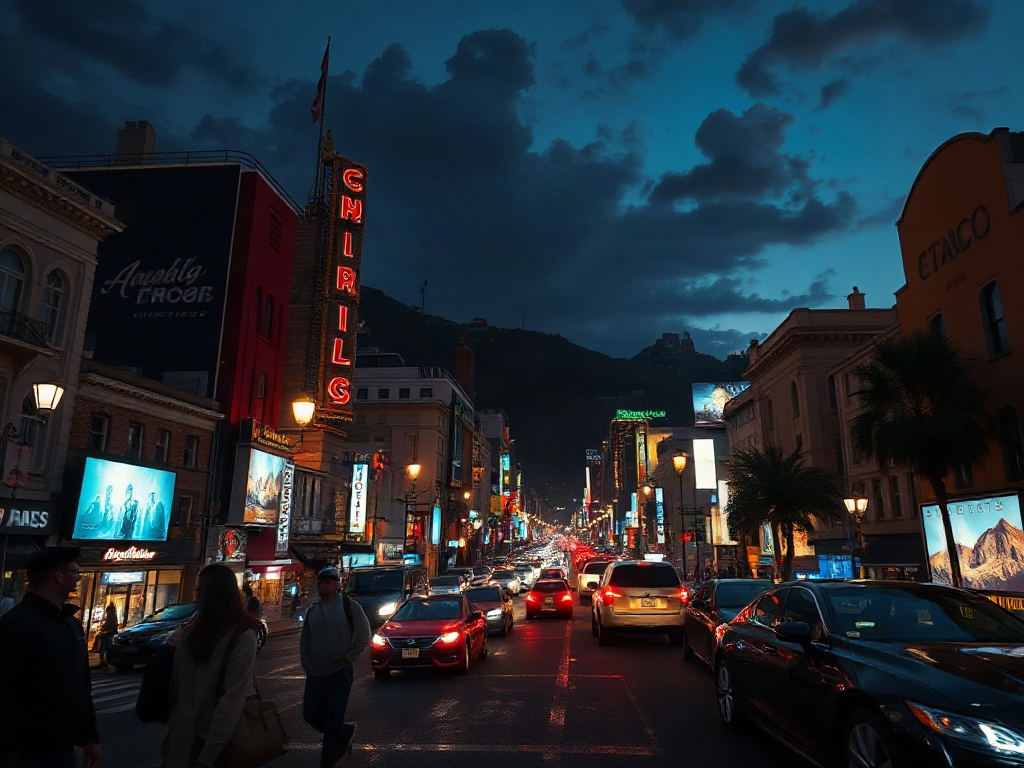
LA image

Street design and safety programs are reshaping where people walk and bike. Vision Zero initiatives target high-injury corridors with better signals, curb extensions, and reduced speed limits, while pilots for pedestrian plazas and car-free streets test how public space can be reclaimed from traffic. These efforts not only reduce collisions but also help activate sidewalks for businesses and community life.

Housing and land-use policy are leaning into transit-oriented development to encourage denser, mixed-use neighborhoods near major transit lines. Upzoning near stations, adaptive reuse of underused commercial buildings, and incentives for affordable units aim to make transit-rich living accessible to more households. That alignment of transportation and housing policy helps reduce commute lengths, lowers transportation costs for residents, and supports local retail by creating more foot traffic.

Technology and policy are converging to tackle congestion and emissions. Electrification of transit fleets, incentives for electric vehicle charging in apartment complexes, and pilot programs exploring congestion pricing or curb-management fees are all tools being tested to reduce pollution and better allocate limited street space. Community-centered planning is central to these efforts; equitable outcomes—such as reliable transit in historically underserved neighborhoods—remain a top priority for advocates and planners.

What this means for the person navigating the region: plan trips using multimodal tools that combine rail, buses, and micromobility; look for contactless fare options and mobile trip planners that show real-time arrivals; take advantage of protected bike lanes and e-bike options for medium-length trips; and consider neighborhoods with strong transit access if minimizing drive time is a priority.

Los Angeles is not abandoning cars overnight, but the transportation landscape is becoming more balanced.

A robust, integrated network of rail, buses, bikes, and pedestrian-friendly streets makes a car-free or car-light lifestyle increasingly practical.

These shifts are improving mobility, reducing emissions, and reshaping public space—one protected lane and transit connection at a time.

Posted in LA

Bel Air Neighborhood Guide: Real Estate, Architecture & Canyon Living

Bel Air remains one of the most desirable residential neighborhoods on the West Coast, known for its winding canyon roads, expansive estates, and a lifestyle that blends privacy with proximity to urban amenities.

Whether you’re researching Bel Air real estate, planning a visit, or simply curious about the neighborhood’s character, there are several defining features that make it distinct.

Location and lifestyle
Tucked into the foothills of the Santa Monica Mountains, Bel Air offers a quieter alternative to nearby bustling districts while keeping cultural and dining options within easy reach. Scenic drives along Mulholland and Sunset provide dramatic views, while tree-lined streets and heavily landscaped properties create a sense of retreat. The neighborhood attracts people who value space, privacy, and a connection to nature without sacrificing access to the city’s opportunities.

Architecture and design
Bel Air is a showcase of architectural variety. From mid-century modern homes with open plans and glass walls to Mediterranean estates and sleek contemporary houses carved into hillsides, the area appeals to buyers and design enthusiasts alike. Many homes feature expansive indoor-outdoor living spaces, professional-grade kitchens, and landscapes designed for drought resilience. Preservation of historic properties sits alongside thoughtful modernizations—smart home systems, energy-efficient upgrades, and EV charging stations are common retrofits.

Real estate and market dynamics
Bel Air real estate tends to move differently than other Los Angeles neighborhoods because properties often occupy large lots and are marketed as lifestyle purchases rather than purely investments. Buyers frequently prioritize seclusion, architectural pedigree, and outdoor amenities. Working with an agent who understands the neighborhood’s nuances—gated enclaves, private lanes, and the importance of discreet showings—can make a big difference. For sellers, tasteful staging and highlighting privacy, landscaping, and any sustainable upgrades will resonate with today’s buyers.

Outdoors and recreation
Despite its residential nature, Bel Air sits close to excellent outdoor options.

Hiking trails, canyon parks, and ridgeline viewpoints are just minutes away, appealing to residents who like morning runs or weekend hikes.

Many properties back onto natural open space, so stewardship of local habitat and fire-aware landscaping are recurring community themes.

For casual outings, nearby cultural institutions, museums, and high-quality restaurants and shops in adjacent neighborhoods provide variety.

Community and safety
Neighborhood associations and private gate systems play a central role in day-to-day life, helping manage traffic, security, and preservation efforts.

Community meetings and local initiatives often focus on wildfire preparedness, native-plant landscaping, and responsible development that respects the canyon topography. While privacy is a top priority, there’s also attention to community stewardship and maintaining the natural character of the area.

Tips for visitors and prospective residents
– Respect private property: many estates are gated and not open to the public.

Enjoy views from public roads and designated viewpoints.
– Plan for traffic: canyon roads can be narrow and winding; allow extra travel time and be mindful of parking restrictions.
– Consult local expertise: real estate, landscape, and conservation professionals familiar with the neighborhood can help navigate regulations and best practices for hillside living.

Bel Air’s blend of natural beauty, architectural diversity, and discreet luxury creates a distinctive urban-escape feel.

Bel Air image

Whether drawn by the promise of serene canyon living or the unique homes that line its streets, people looking to settle or visit will find a neighborhood focused on privacy, design, and stewardship of its scenic setting.